Opens in a new tab

Colonial past

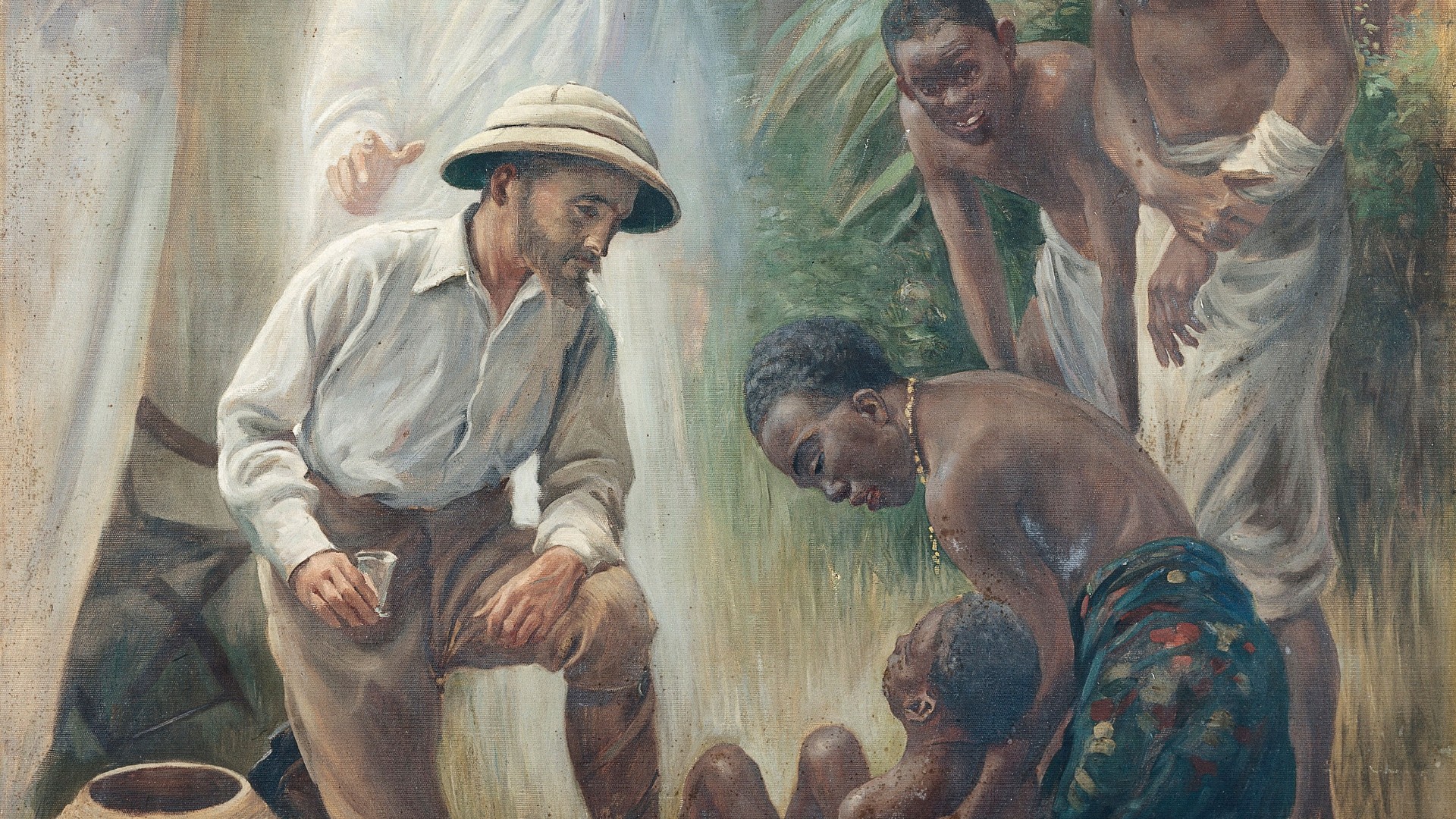
This recurring symposium provides space for critical reflection on the colonial past of Dutch medical (knowledge) institutions and its spillover into contemporary global health practices, education and research.

Reflections on the role of knowledge institutions in the past and present

The formal abolition of slavery in 1863 did not mean the end of colonial influence on Dutch institutions. The consequences continue to this day in knowledge structures, scientific education and health care. Nor is global health a neutral discipline: the field was partly shaped within and by colonial power relations.

Since the commemorative year 2023, more attention has been paid to the role of universities, medical faculties and knowledge institutions in the colonial project. With this, the question is also growing: how do we move beyond recognition? What does it mean to take responsibility for structural inequalities rooted in this past?

This page lists the different editions of the symposium, including recordings, reports and additional resources.

Previous editions

During the symposium Colonial past & global health among Dutch knowledge institutions on 23 April 2025, speakers and participants discussed the colonial roots of our medical knowledge infrastructure and its spillover into contemporary global health, education and research. Below are the recordings of the various sessions.

  • State and slavery and the Knowledge Agenda 2025 - 2035

    Navigating after the commemorative year
    Dr Esther Captain (KITLV Leiden)
  • Context and content of the advisory report on Utrecht University and slavery

    Accountability
    Prof Leen Dorsman (Utrecht University)
  • Wageningen University between the Netherlands, Suriname and Indonesia, 1876 - 2020

    The colonial university
    Dr Larissa Schulte Nordholt (Wageningen University)
  • Extracting, accumulating, controlling, and circulating knowledge through the Via Sacra

    Utrecht University, Colony and the Cape
    Dr Henk van Rinsum (Utrecht University)
  • Rabin, a Dayak from Sintang (Kalimantan), and other colonial human remains in the university's collections

    Dr Fenneke Sysling (Leiden University)
  • Diagnosing the legacy of Utrecht Medical School in the Dutch colonies

    Research plans
    Dr Gani Jaelani (UMC Utrecht)