Care for newcomers

The annual Care for Newcomers symposium brings together healthcare professionals, researchers and policymakers around accessible, appropriate and equitable care for people with a migration or refugee background.

Working together to improve care for newcomers

Newcomers to the Netherlands, including undocumented migrants, asylum seekers, refugees and migrant workers, are one of the most vulnerable groups in our society. They often face major health challenges and have other health risks stemming from their country of origin and migration history.

A complicated healthcare system, cultural differences, language barriers and fear of deportation make it difficult to get appropriate care. Access to care often depends on their nationality and place of residence, leading to glaring inequalities.

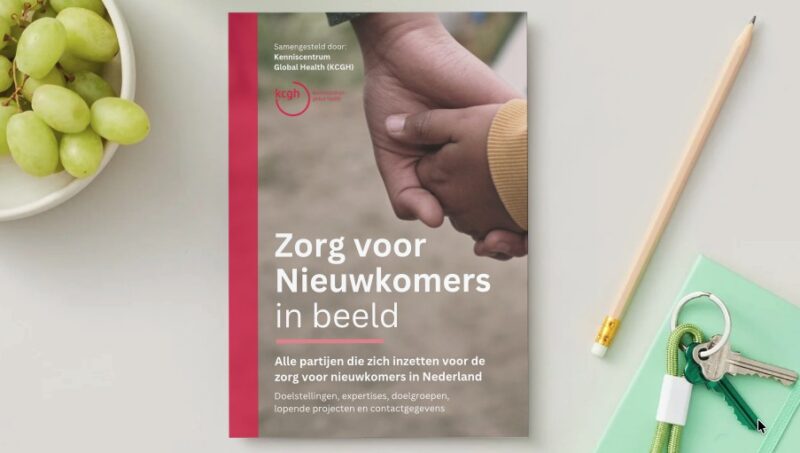
Caring for newcomers requires a specific approach, focusing on cultural sensitivity and inclusiveness. With the aim of promoting cooperation and addressing obstacles in care, we organised the Care for Newcomers symposium together with various parties and compiled the handout Care for Newcomers in Focus.

This page contains information and tools for healthcare professionals, policymakers and anyone committed to and interested in better care for newcomers in the Netherlands.

  • Symposium | Care for Newcomers

    The first edition of the Care for Newcomers symposium took place on 9 October 2024. More than 100 healthcare professionals, policy officers and others interested in better care for newcomers in the Netherlands gathered together.

    During this inspiring and highly successful day, we heard keynotes, panel discussions and interactive parallel sessions on topics such as care for undocumented patients, migrant workers' rights, mental health care for newcomers, birth care for asylum seekers and much more!s

    More information
  • Handout | Care for Newcomers in the Picture

    Following the symposium, we prepared the handout Care for Newcomers in View. This is a first version of an overview of all parties involved in caring for newcomers in the Netherlands.

    Our goal is to promote collaboration and address obstacles in healthcare. We update this handout annually and invite everyone to submit their organisation.

    Find out which organisations are working towards inclusive and accessible healthcare for newcomers.

    More information
  • E-learning | Learn, signal and alert

    Research shows that many victims of trafficking are not recognised as such during their contact with the medical sector. This is despite the fact that they often suffer physical and/or psychological complaints as a result of dangerous or unhealthy work. Victims usually do not report these abuses to the appropriate authorities.

    However, they do sometimes come to a medical professional and they can pick up signals. If you recognise the signs of trafficking, you can play a crucial role in detecting them. Professionals who get behind the front door, such as mental health workers and maternity nurses, can also notice important signs.

    To help you recognise these signs, FairWork developed the online training course ‘Learn, signal and alert’.

    More information
  • Documentary | Doctor Co

    The documentary Dokter Co follows octogenarian doctor Co, who cycles through Amsterdam to visit refugees staying illegally in dilapidated garages and empty buildings. These people have no access to professional medical care, but Doctor Co offers them nursing care and a listening ear. The conditions they live in are tough, with problems such as alcohol abuse and conflict. The documentary explores what drives Doctor Co to dedicate himself unconditionally to this vulnerable group of people, despite the many challenges he faces.

    More information
  • Asylum Information Database (AIDA)

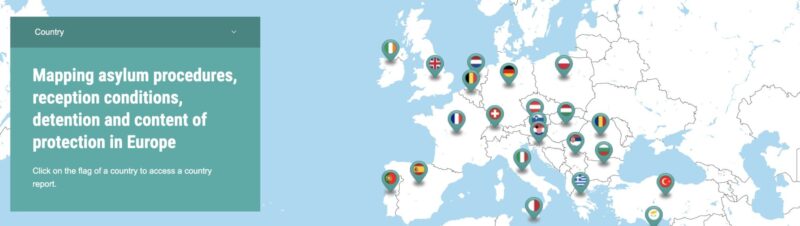
    The Asylum Information Database (AIDA) is managed by the European Council on Refugees and Exiles (ECRE) and collects information on how asylum procedures, reception, and detention are regulated in 23 countries, including 19 EU and 4 non-EU countries.

    AIDA's goal is to improve asylum policy in Europe and support the situation of asylum seekers. This is done by providing reliable information and tools that can help with advocacy and legal processes. The database includes country situation reports, comparative analyses, research visits and legal summaries. This data provides important insights into how asylum systems work and what the current trends are.

    More information