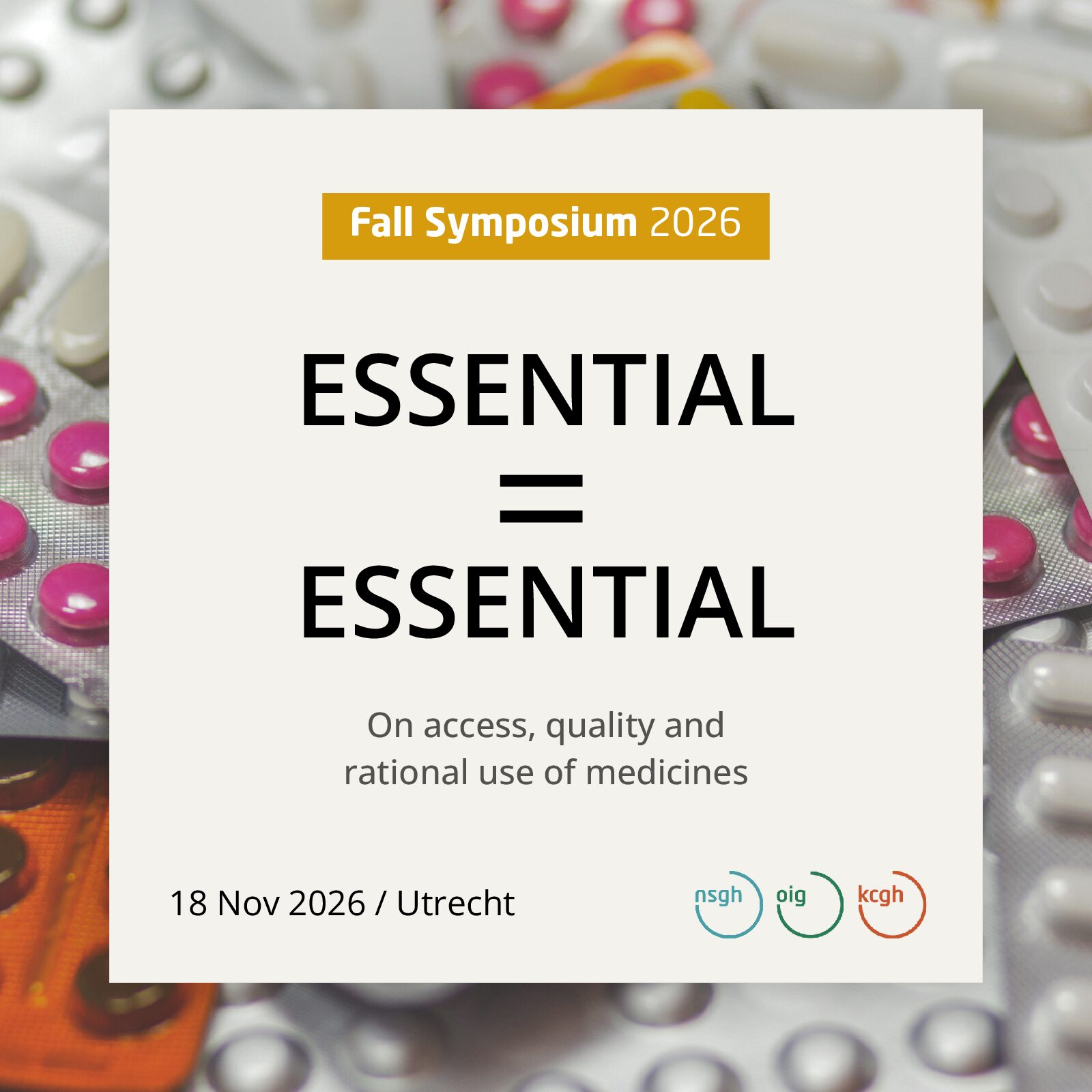
Why access, quality and the rational use of medicines matter
Almost two billion people – one in three people worldwide – still do not have reliable access to essential medicines that save lives and support good health. (1) This reality poses a fundamental challenge to the principle that health is a universal human right.
This symposium focuses on this inequality by placing essential medicines at the forefront of the global debate on health equity and human rights. Essential medicines are not only crucial to well-functioning health systems; they are indispensable for achieving equitable and sustainable health outcomes worldwide.
The symposium approaches the field of essential medicines from three closely interlinked perspectives:
- Access – taking into account availability, affordability, supply and distribution systems, and the impact of intellectual property rights;
- Quality – with a focus on substandard and counterfeit medical products and their impact on patient safety and confidence in the healthcare system;
- Rational use – focusing on the causes of the overuse, underuse and misuse of medicines, and their impact on the health of individuals and populations.
- World Health Organisation Regional Office for the Eastern Mediterranean. Access. WHO EMRO. https://www.emro.who.int/essential-medicines/strategy-access/
Special focus: antimicrobial resistance and resilient health systems
Antimicrobial resistance (AMR) is a particularly urgent challenge. Without radical changes in the development of antibiotics, responsible use (stewardship) and rational use, the world risks sliding into a post-antibiotic era in which common infections could once again become life-threatening.
The three pillars come together in the context of AMR. Ensuring access to effective antibiotics, monitoring their quality and promoting their rational use are essential to keeping these life-saving medicines available for future generations and to strengthening the resilience of health systems worldwide.
Save the date! More information on the theme, programme and speakers will follow soon.
For whom?
This symposium is aimed at healthcare professionals, policymakers, researchers and students.
Speakers
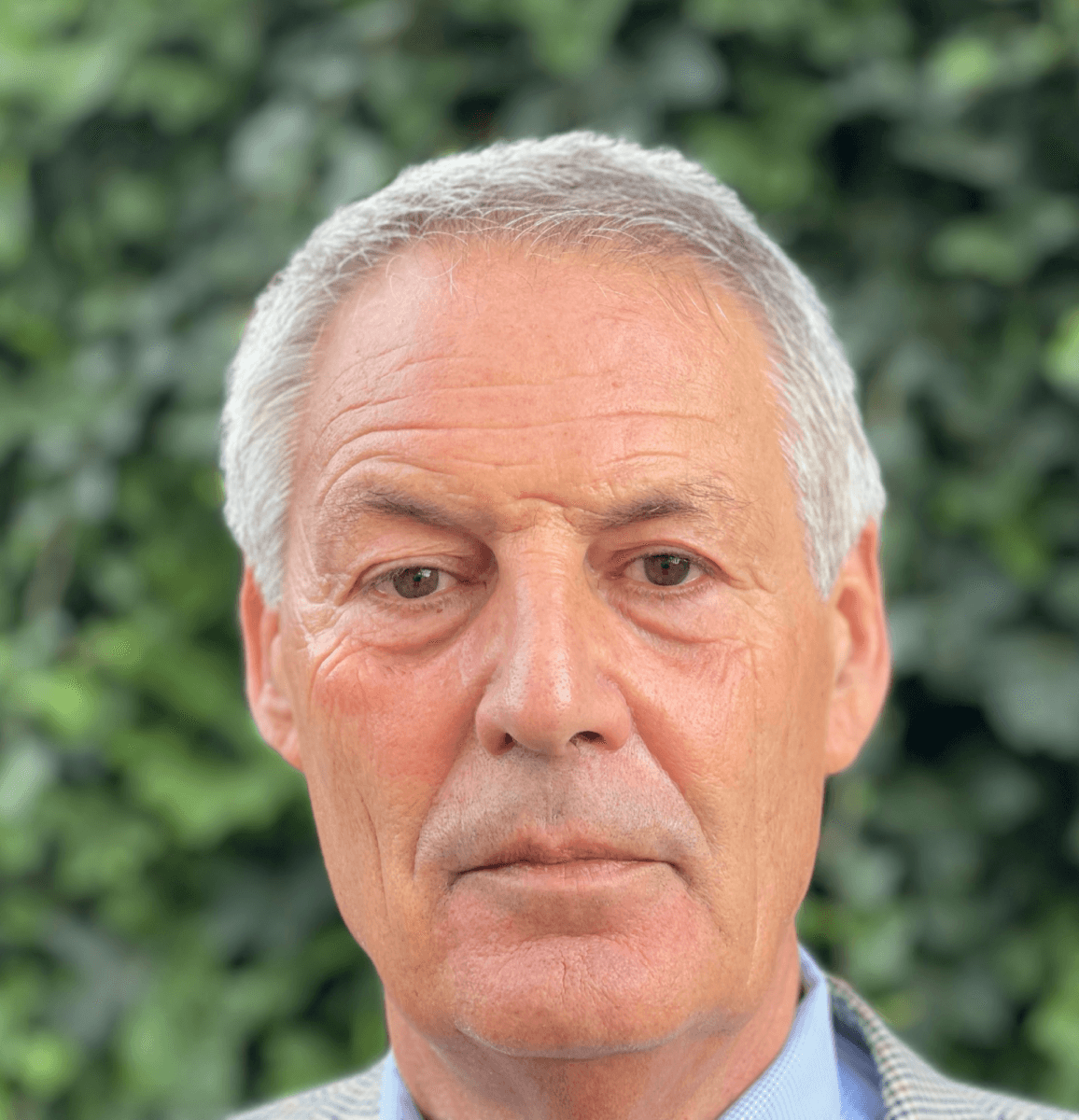
Hans Hogerzeil
Universal access to essential medicines in a changing world
Hans Hogerzeil, MD, PhD, DSc, FRCP Ed, is co-chair of the Lancet Commission on Accelerating Progress on Essential Medicines, chair of the Expert Review Committee of the Access to Medicine Index, and professor emeritus of Global Health at the University of Groningen. He worked as a doctor in India and Ghana for five years and was affiliated with the WHO from 1985 to 2011, where his roles included Director of the Global Programme on Essential Medicines and Medicines Policy. He has advised more than sixty low- and middle-income countries on national medicines policy and has published over 100 scientific articles on essential medicines.
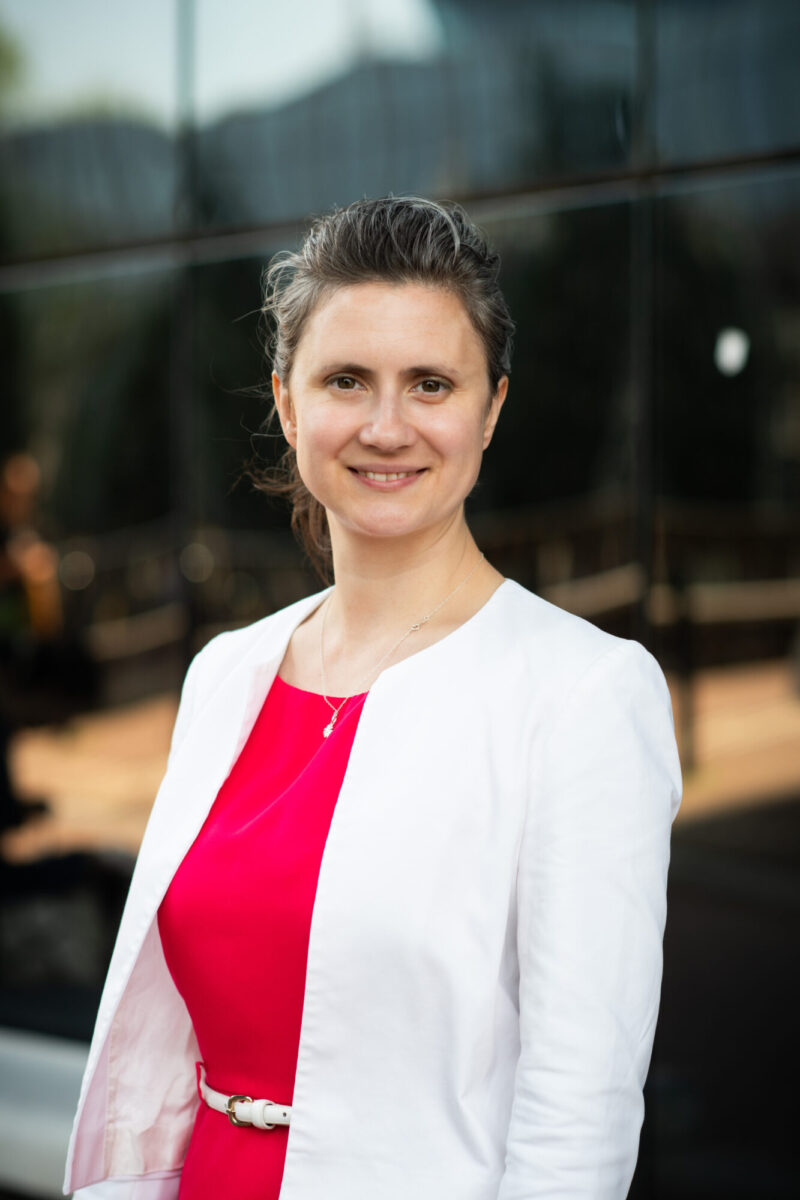
Katrina Perehudoff
Title to follow
Katrina Perehudoff (MSc, LLM, PhD) is a health scientist and legal scholar, specialising in pharmaceutical law and policy from an international and European perspective. She is an associate professor at the University of Amsterdam, where she is co-director of the Law Centre for Health and Life and chair of the Health Law section. She has also been awarded a Veni grant to investigate the EU’s role in global access to medicines, serves as an academic expert on the Lancet Commission on Accelerating Progress on Essential Medicines (2025–2027) and General Rapporteur on essential medicines as part of the right to health for the International Academy of Comparative Law (2026).
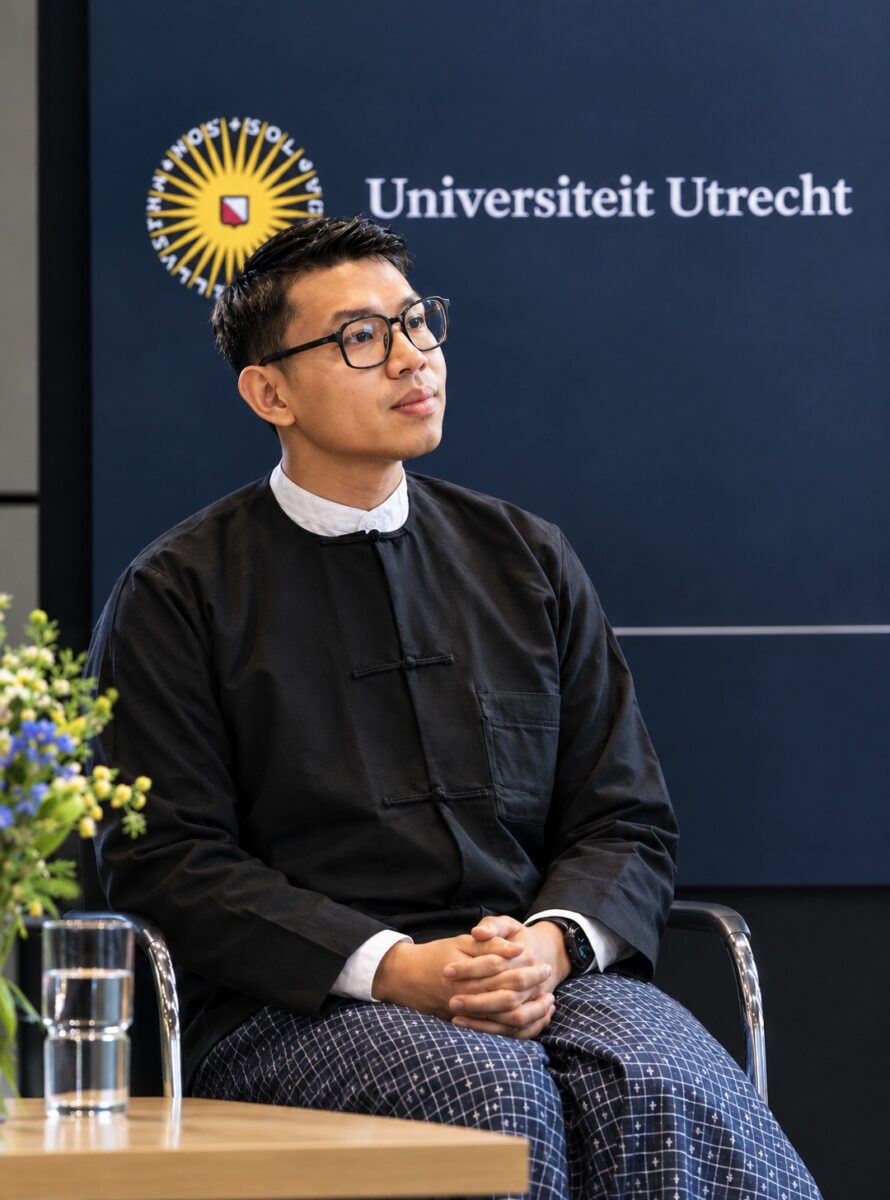
Soe Yu Naing
Use it and lose it: how to protect our antibiotics
Since the discovery of penicillin by Professor Fleming, antibiotics have transformed modern medicine. However, their effectiveness is threatened by antimicrobial resistance (AMR). This lecture explores AMR from global, regional, and local perspectives, highlighting key findings from COINCIDE, a transdisciplinary One Health project in Indonesia investigating colistin resistance.
Soe Yu Naing is a researcher, lecturer and storyteller working at the intersection of infectious diseases, One Health and global health. He is originally from Myanmar and has over ten years’ international experience in higher education, scientific research and project management. After studying neuroscience, he began his career at the AIDS Clinical Trials Unit at the University of Pennsylvania, where he coordinated clinical trials on HIV, hepatitis C and vaccines against Ebola and Zika. He later specialised in infectious diseases and One Health. He currently works as a project manager and PhD candidate at Utrecht University and has supported the World Health Organisation (WHO) on policy issues relating to antimicrobial resistance. He is also co-chair of Emerging Voices for Global Health (EV4GH) and a board member of Uniting Steams.
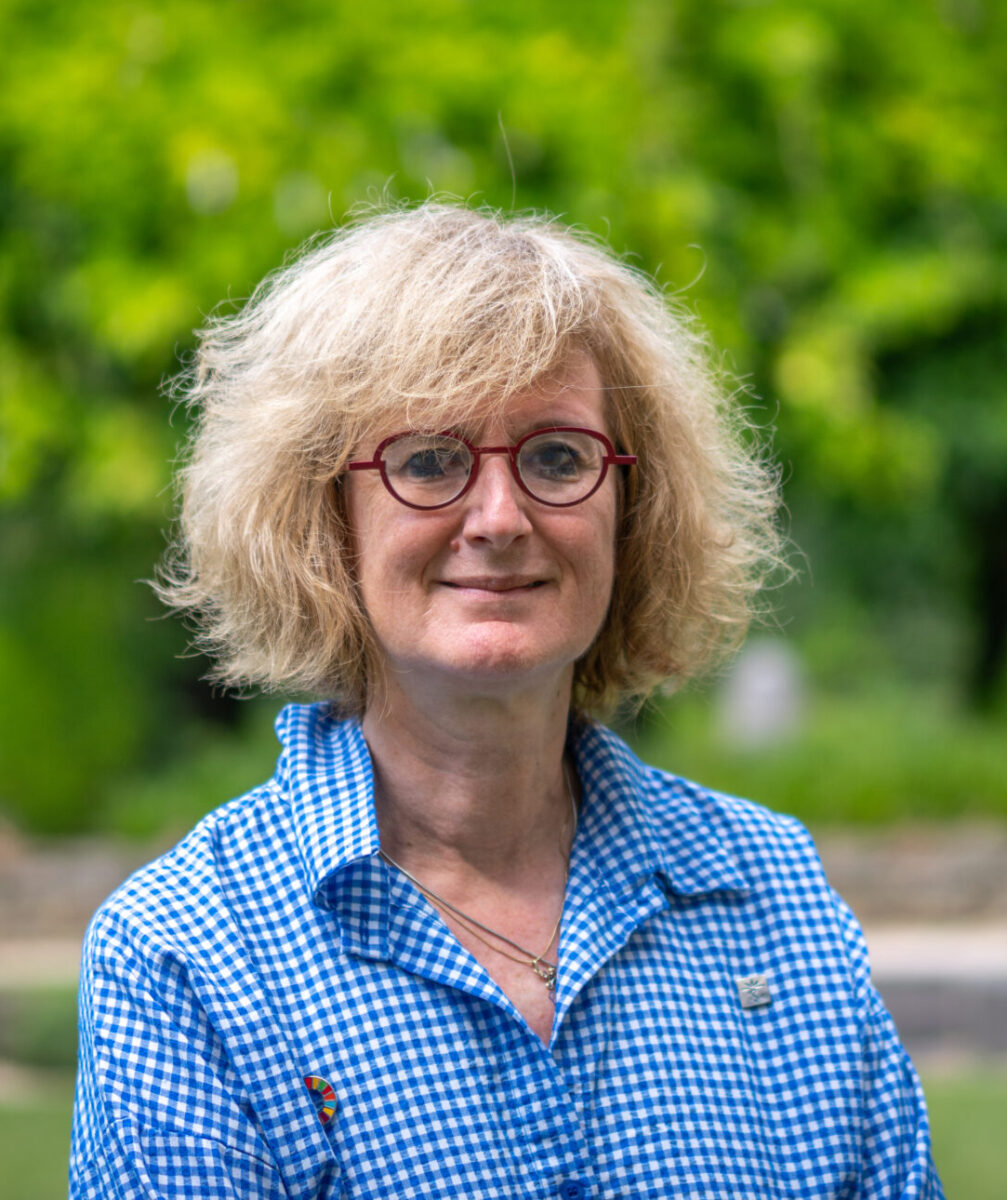
Raffaella Ravinetto
Access to medicines for the most vulnerable: the cases of pain, migration and conflicts
Professor Raffaella Ravinetto, PharmD, PhD, has over thirty years’ experience in clinical research, humanitarian programmes, medicines policy and research ethics. Her expertise also focuses on equitable access to high-quality healthcare products, with a particular emphasis on low- and middle-income countries and vulnerable groups.
She is Head of the Department of Public Health and Professor of Pharmaceutical Public Health at the Institute of Tropical Medicine (ITM) in Antwerp. She is also chair of the ITM’s Institutional Review Board and a professor at the University of the Western Cape. From 2017 to 2024, she was chair of the Ethics Review Board of Médecins Sans Frontières and senior editor of BMC Medical Ethics.
Programme
| Time | Hall | Section | Speaker(s) |
|---|---|---|---|
| 09.00 – 09.30 | Main hall | Registration | |
| 09.30 – 09.40 | Main hall | Opening | |
| 09.45 – 10.15 | Main hall | Universal access to essential medicines in a changing world | Hans Hogerzeil |
| 10.20 – 10.50 | Main hall | To follow | Katrina Perehudoff |
| 10.55 – 11.25 | Main hall | Use it and lose it: how to protect our antibiotics | Soe Yu Naing |
| 11.30 – 12.00 | Main hall | Break | |
| 12.05 – 12.55 | Main hall | Interactive discussion with all the speakers | Moderated by Joost van der Meer |
| 13.00 – 14.00 | Main hall | Lunch | |
| 14.00 – 14.30 | Main hall | To follow | Marc Biot |
| 14.35 – 15.05 | Main hall | Access to medicines for the most vulnerable: the cases of pain, migration and conflicts | Raffaella Ravinetto |
| 15.10 – 15.40 | Main hall | To follow | Sara Keller |
| 15.45 – 16.30 | Main hall | PhD & Thesis Prize Award Ceremony – winners’ pitches | |
| 16.30 – 17.30 | Foyer | Drinks |
Registration
| €90 | Standard rate |
| €60 | Reduced rate (NSGH members & students) |
Booking for more than 10 people?
Please get in touch with us by email.
Members of the Netherlands’ Society for Global Health (NSGH) receive a standard 20% discount on activities of NSGH, the Knowledge Centre for Global Health (KCGH) and the Training Institute for International Health (OIG). Not yet a member? Join here.
 Dutch
 English